E-Waste Pickup Services: Simplifying Your Recycling Experience for a Sustainable Future
E-waste collection services are transforming the way individuals and organizations handle recycling. Such services make the disposal process easier while upholding environmental guidelines. They not only reduce the burden of transporting large electronic items but also contribute to sustainable practices. As more consumers seek eco-friendly solutions, understanding the nuances of these services becomes essential. What criteria should one copyrightine when picking an electronic waste pickup provider? What you discover could be unexpected.
How E-Waste Pickup Addresses Environmental Impact
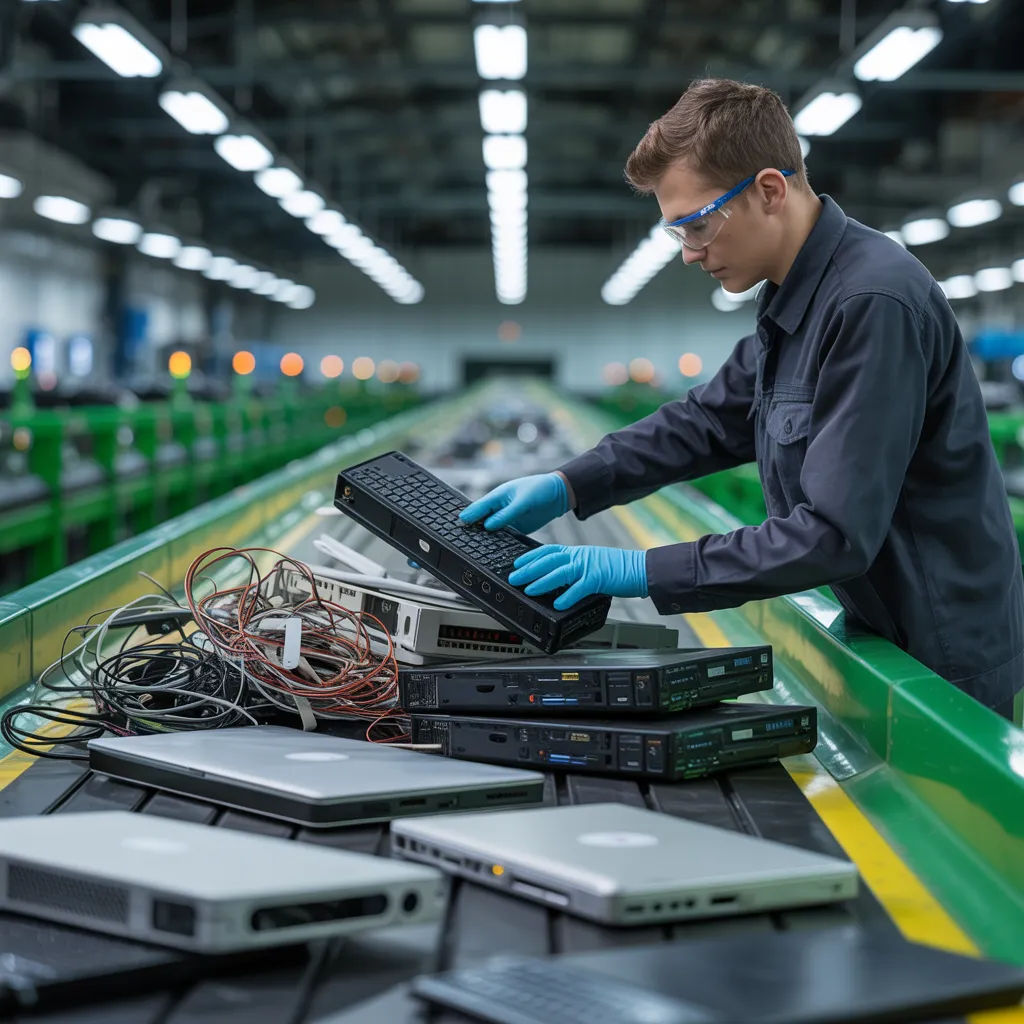
E-waste pickup services serve a critical role in lessening the environmental consequences of discarded electronics, as they support the responsible collection and recycling of dangerous substances. These initiatives work to prevent toxic substances, such as mercury, lead, and cadmium, from contaminating soil and water systems. By effectively collecting and moving e-waste, they ensure that dangerous components are managed in accordance with environmental regulations.
Moreover, e-waste collection programs encourage material recovery by routing important materials, including gold, silver, and copper, back into the manufacturing cycle. This decreases the reliance on newly extracted raw materials, consequently conserving natural resources and minimizing energy usage connected to mining and material processing.
Moreover, these solutions raise community awareness about the value of proper e-waste management, encouraging households and companies to engage in eco-friendly practices. On the whole, e-waste retrieval services considerably support a safer and cleaner environment by resolving the problems resulting from electronic waste.
Why You Should Use E-Waste Pickup Services
Electronic waste pickup services offer notable benefits for homeowners and organizations alike. These services provide convenient collection options, ensuring the removal of obsolete electronics is stress-free. Moreover, they ensure eco-friendly disposal methods, contributing to the reduction of ecological damage caused by e-waste.
Practical Collection Alternatives
For individuals and businesses looking to properly manage their electronic waste disposal, using pickup services provides a convenient solution. These services offer flexible collection options tailored to different schedules and requirements. Clients can often choose from flexible pickup times, accommodating both residential and commercial locations. This removes the hassle of hauling heavy items to recycling facilities, preserving precious time and energy. Furthermore, numerous e-waste collection services provide same-day or pre-scheduled pickups, improving convenience. By simplifying the collection procedure, these services motivate more individuals to recycle their electronics, significantly lowering the environmental footprint of e-waste. The ease of scheduling and collection promotes responsible disposal, making it a practical choice for those looking to contribute to a greener future.
Eco-Friendly Disposal Methods
Utilizing electronic waste collection services confirms that electronic equipment are disposed of in an environmentally responsible manner. These providers focus on processing a wide range of electronic waste, making certain that toxic materials, such as lead and mercury never reach landfills. By partnering with certified recyclers, electronic waste collection services contribute to resource conservation by recovering valuable materials, reducing the need for new raw materials. Additionally, these providers regularly follow local and international regulations, promoting sustainable practices. Businesses and individuals gain from the convenience of scheduled pickups, alleviating the burden of transporting bulky items. At the core of it all, embracing eco-friendly disposal methods through e-waste pickup services fosters a culture of sustainability, supporting mindful consumer practices and decreasing environmental harm.
What to Expect for E-Waste Pickup?
What can individuals expect from an e-waste pickup? Customers can look forward to an efficient process focused on ensuring responsible e-waste recycling. First, an appointment will be confirmed in advance, providing ample time for preparation. During the scheduled pickup, a professional team will show up ready to manage numerous types of electronic equipment, ensuring secure transport and a hassle-free process.
Customers are advised to prepare their electronic items by sorting items that need to be collected, as this may speed up the pickup process. The collection crew may provide guidance on which items are eligible and which are not. Safety measures are often in place, including personal protective equipment and correct handling practices for hazardous materials.
In addition, transparency is of utmost importance; customers may receive a detailed receipt of the items collected, reinforcing the focus on proper disposal. Overall, the e-waste pickup service is designed to simplify the recycling experience while encouraging eco-friendly practices.
Key Criteria for Selecting an E-Waste Pickup Service
What steps can someone take to ensure they select the best e-waste pickup service? Picking a suitable service necessitates a thoughtful review of several essential elements. Initially, one must ensure the service holds the necessary certifications and meets local and national environmental requirements. This confirms that e-waste is processed in full compliance with legal and environmental guidelines. Additionally, evaluating the company's standing through client feedback and testimonials offers valuable perspective on their dependability and expertise.
Moreover, evaluating the range of services offered can be beneficial; a complete service could encompass data destruction, recycling, and refurbishment alternatives. Moreover, clarity in pricing is essential; clear, upfront costs help avoid unexpected fees. In conclusion, evaluate the organization's responsiveness and customer support, as open communication promotes a more efficient pickup encounter. By prioritizing these factors, organizations and individuals can reliably choose an e-waste collection service that matches their environmental objectives.
How to Schedule Your E-Waste Pickup?
When is the best time to schedule an e-waste pickup? The timing of your pickup can significantly affect the efficiency of the recycling process. For best results, people should look into scheduling pickups on weekdays when service providers tend to have greater availability. Early mornings or late afternoons may also be ideal, as these times typically experience less traffic, allowing for quicker service.
Additionally, planning ahead is essential. Clients are encouraged to schedule pickups a few days ahead, most notably during high-demand periods or neighborhood recycling programs. This confirms that the preferred service can address individual needs and expectations.
Furthermore, synchronizing the gathering with routine home tasks or organization activities can optimize the overall effort. By aligning the electronic waste pickup with everyday routines, households can ensure the recycling process is smoother and more convenient. In the end, thoughtful scheduling contributes to a more effective electronic waste recycling process, encouraging a pledge to ecological responsibility.
What's Next for E-Waste Recycling?
As the e-waste crisis continues to grow, advancing recycling innovations stand ready to reshape the landscape. Projected legislative updates are likely to bolster recycling programs, while innovative collection methods promise to make e-waste disposal more accessible. Combined, these advancements have the potential to substantially elevate the performance and impact of e-waste recycling operations.
Advanced Technologies in Recycling
Breakthroughs in technology are poised to reshape e-waste recycling, enhancing sustainability and efficiency. Advanced robotics and automated sorting systems are progressively being incorporated into recycling facilities, facilitating the accurate segregation of valuable materials from electronic waste. Machine learning and artificial intelligence serves a vital function in streamlining these operations, enabling real-time decision-making and improving recovery rates. Moreover, pioneering techniques such as advanced hydrometallurgical and biotechnological processes promise to isolate rare metals with minimal environmental impact. Blockchain technology has also been considered for tracking e-waste throughout the recycling process, promoting accountability and transparency. As these technologies evolve, they will markedly reduce the carbon footprint of e-waste disposal, establishing the groundwork for a more sustainable future in electronic recycling.
Changes to Policy Are Coming
Lawmakers are preparing to introduce More information substantial legislative measures designed to improve electronic waste recycling efforts. Such efforts aim to confront the growing concerns surrounding e-waste and the harm it causes to the environment. Recommended policies feature tighter standards for electronics makers regarding product lifecycle management, pushing them to prioritize recyclability in design. Furthermore, rewards for customers to bring back used devices are under consideration, promoting habits of conscientious waste management. Governments may also increase funding for electronic waste management efforts, seeking to broaden reach and improve effectiveness in electronic waste gathering. By promoting transparency and accountability throughout the recycling workflow, officials seek to lower the volume of waste sent to landfills while enhancing material reclamation, thus establishing a more environmentally responsible framework for managing e-waste going forward.
Innovative Collection Methods
Transforming electronic waste collection approaches is critical for improving the efficiency and accessibility of recycling. Innovative technologies, such as digital platforms, facilitate scheduled collections, allowing consumers to plan collection at their convenience. Additionally, partnerships with local businesses and community centers create specific collection locations, increasing the convenience of recycling. Innovative containers equipped with sensors can monitor fill levels, securing efficient collection and streamlining logistics. In addition, incentive-driven methods encourage participation by rewarding individuals or communities for their recycling efforts. These advancements not only optimize the retrieval workflow but also raise awareness about the importance of responsible e-waste disposal. As these advanced techniques grow in popularity, they herald a more eco-friendly era for e-waste management, and ultimately supporting a more sustainable world.
Frequently Asked Questions
Which Types of Electronic Waste Are Accepted for Pickup?
Electronic waste collection services commonly handle devices such as aging computers, televisions, mobile phones, tablets, printers, and a range of electronic accessories. Such services are designed to responsibly recycle and dispose of e-waste items in an eco-conscious way.
Do E-Waste Pickup Services Come With Any Fees?
Charges for e-scrap collection solutions are subject to change based on location and the category of electronics being picked up. Some services may supply complimentary collection, while other providers may charge fees based on the quantity or certain devices.
How Is Data Security Protected During E-Waste Disposal?
Data security during e-waste disposal is guaranteed through processes like secure data erasure, physical demolition of storage media, and verification from certified recyclers, protecting confidential information and blocking unauthorized access to private and business data.
Can Businesses Use E-Waste Pickup Services Too?
Absolutely, companies can take advantage of electronic waste collection services. These services are designed specifically for businesses, ensuring efficient disposal and recycling of electronic waste while encouraging eco-friendly practices and adherence to regulations governing proper e-waste handling.
Where Does E-Waste Go After It Gets Picked Up?
When e-waste is picked up, it is sorted for recyclable materials, followed by dismantling and processing. Dangerous components are carefully and safely disposed of, while recoverable metals and plastics are repurposed, playing a vital role in sustainable resource management efforts.